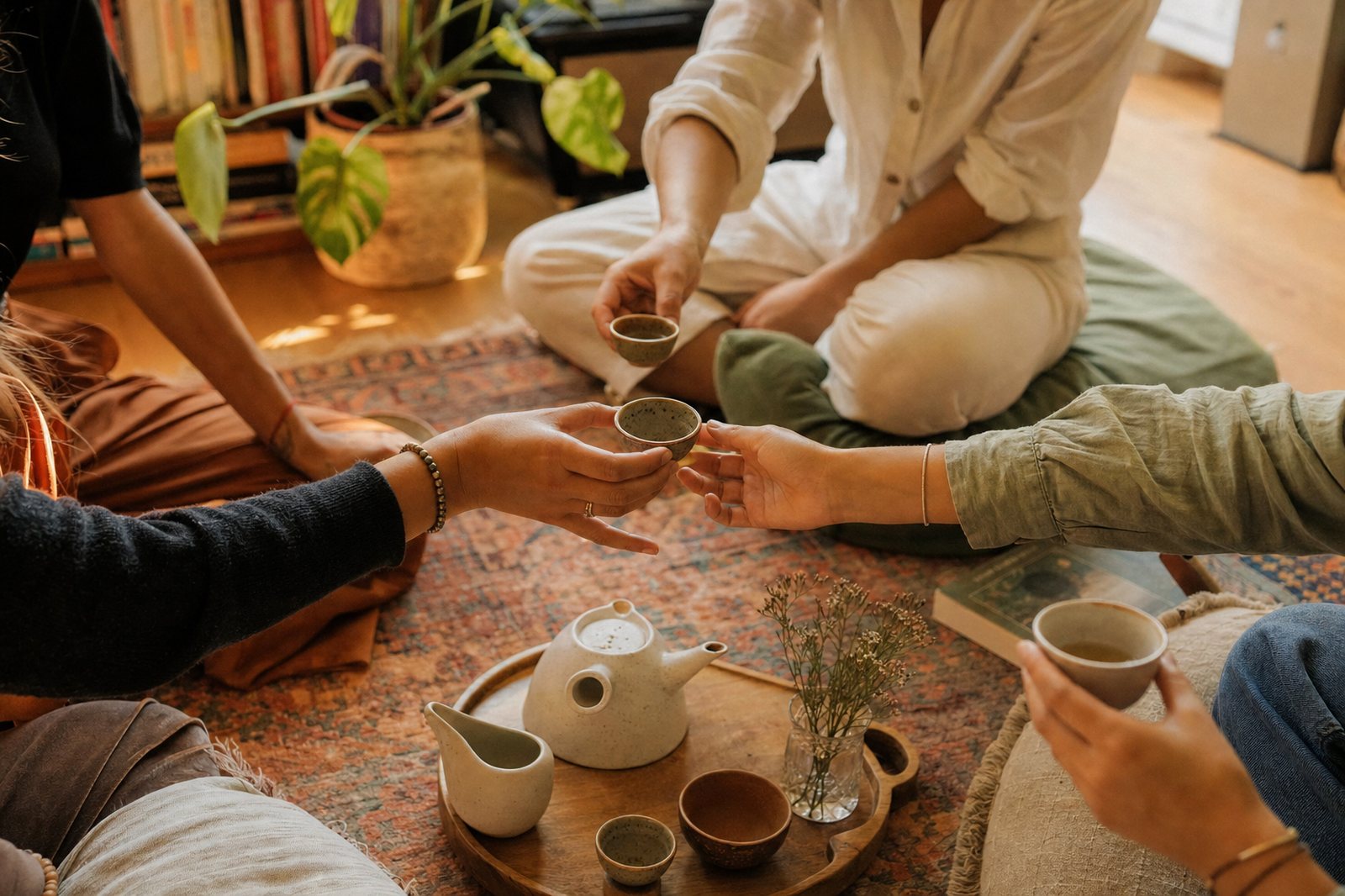
Slow down.
Pour deep.
Pu-erh tea and gongfu gear for people who've optimized their sleep, their mornings, their whole schedule — and are missing the one thing that isn't optimized. No caffeine crash. No app. Just a leaf, hot water, and however many steeps it takes to feel it.
cha qi
inside
It’s not just a cup of tea.
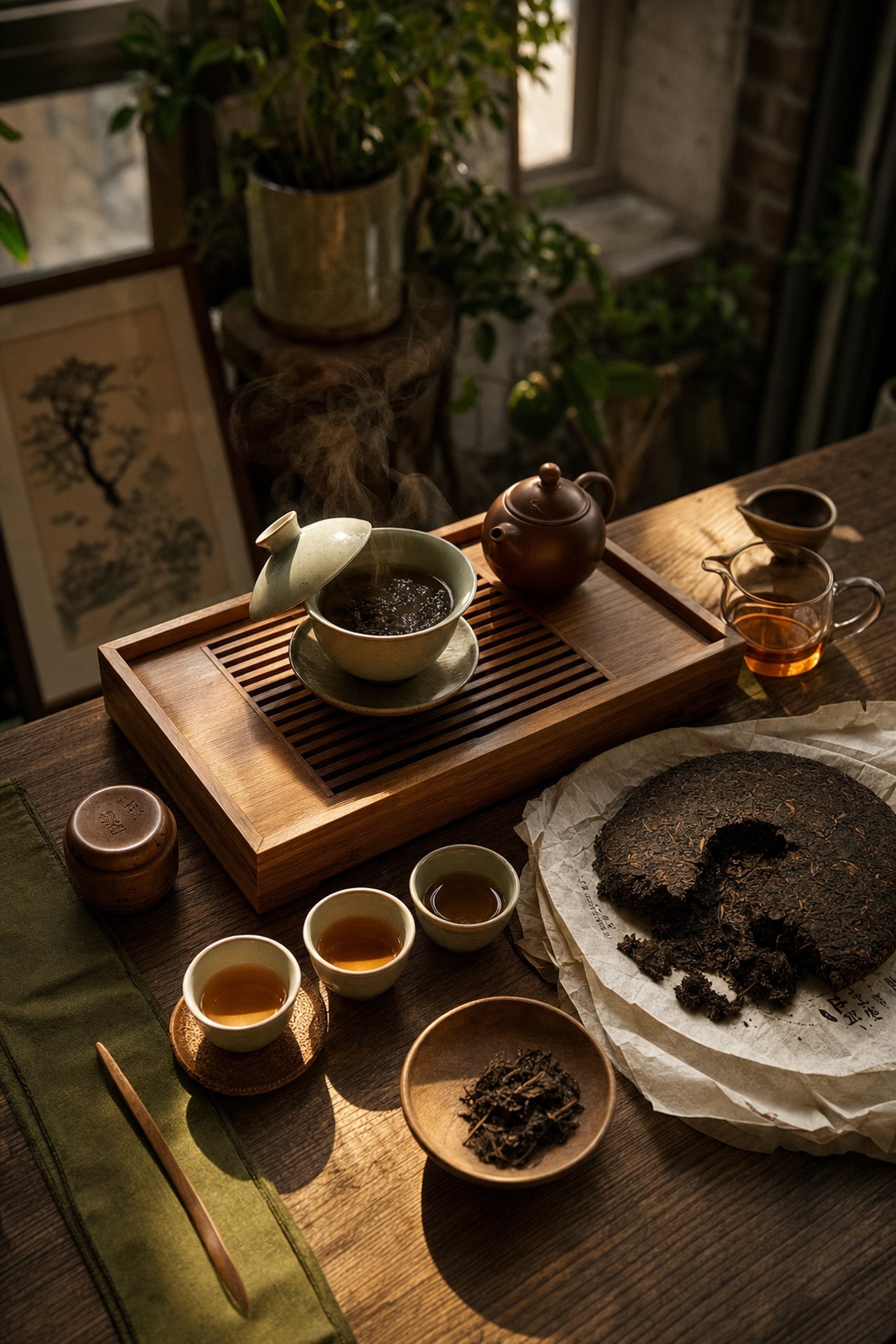
There’s a word for what pu-erh does after enough steeps: cha qi — tea energy. Not caffeine, not a buzz. A warm, settling feeling that starts in the chest and ends up somewhere behind your eyes. Calm focus. Some people call it meditation in a cup. Some people call it something else entirely.
The idea comes from Yunnan, China, where pu-erh has been pressed, aged, and brewed gongfu style for centuries. In Ukraine it became something bigger — a whole youth ritual culture, brewed outdoors, at festivals, on balconies at 1am, replacing other habits with a slower one.
Now it’s here.
Read the full storyStart the ritual.
Four ways in — from a five-sample flight to the aged cake this whole brand is named after.
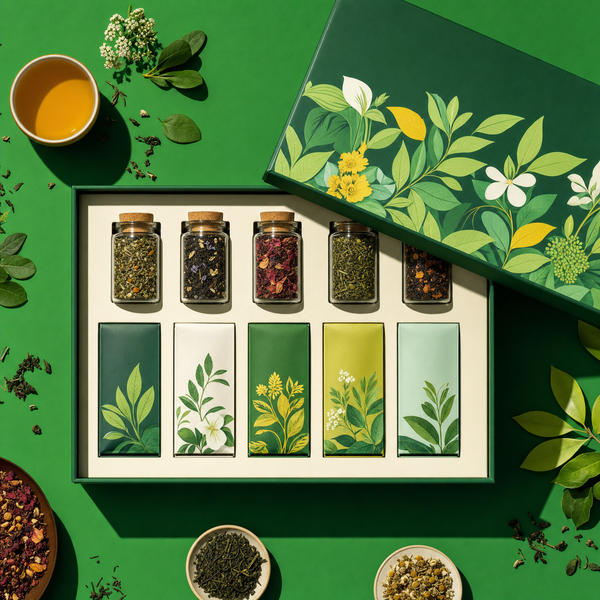
Slow Burn Sampler Flight
Five 10g samples of our most popular teas — ripe shu pu-erh, young sheng pu-erh, GABA oolong, age...
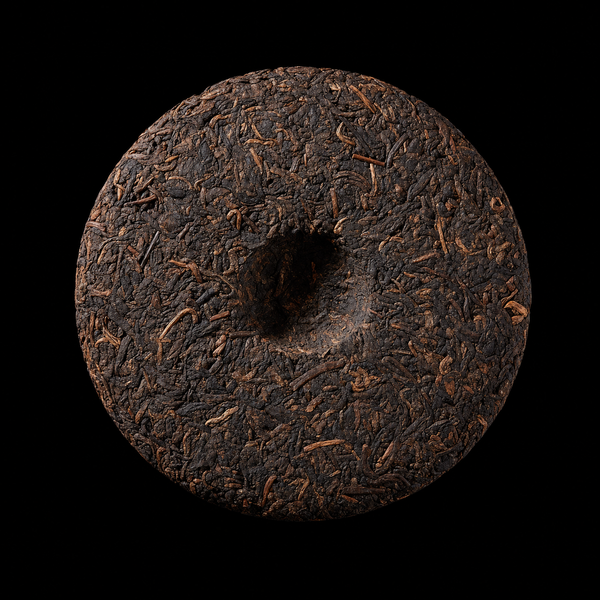
Ripe Shu Pu-erh Cake
A smooth, earthy ripe pu-erh cake from Menghai, Yunnan. Aged 3 years, fermented in the traditiona...
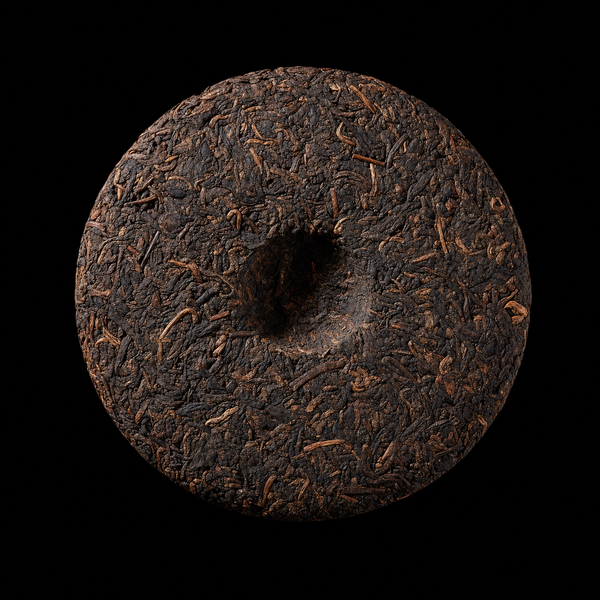
The Shift — Aged Sheng Pu-erh
An aged sheng pu-erh that earns its name. Body warmth, a quieting mind, and a sense of opening — ...
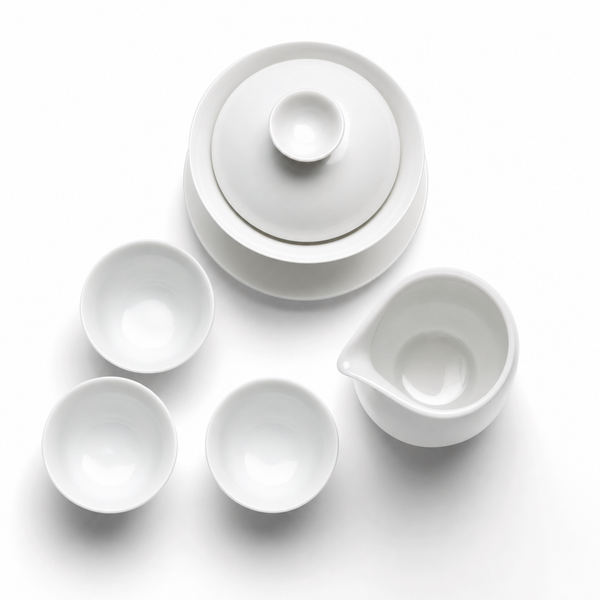
Gongfu Starter Kit
Everything you need to start brewing gongfu style. Includes a porcelain gaiwan (120ml), fairness ...
The tea that keeps changing after you buy it.
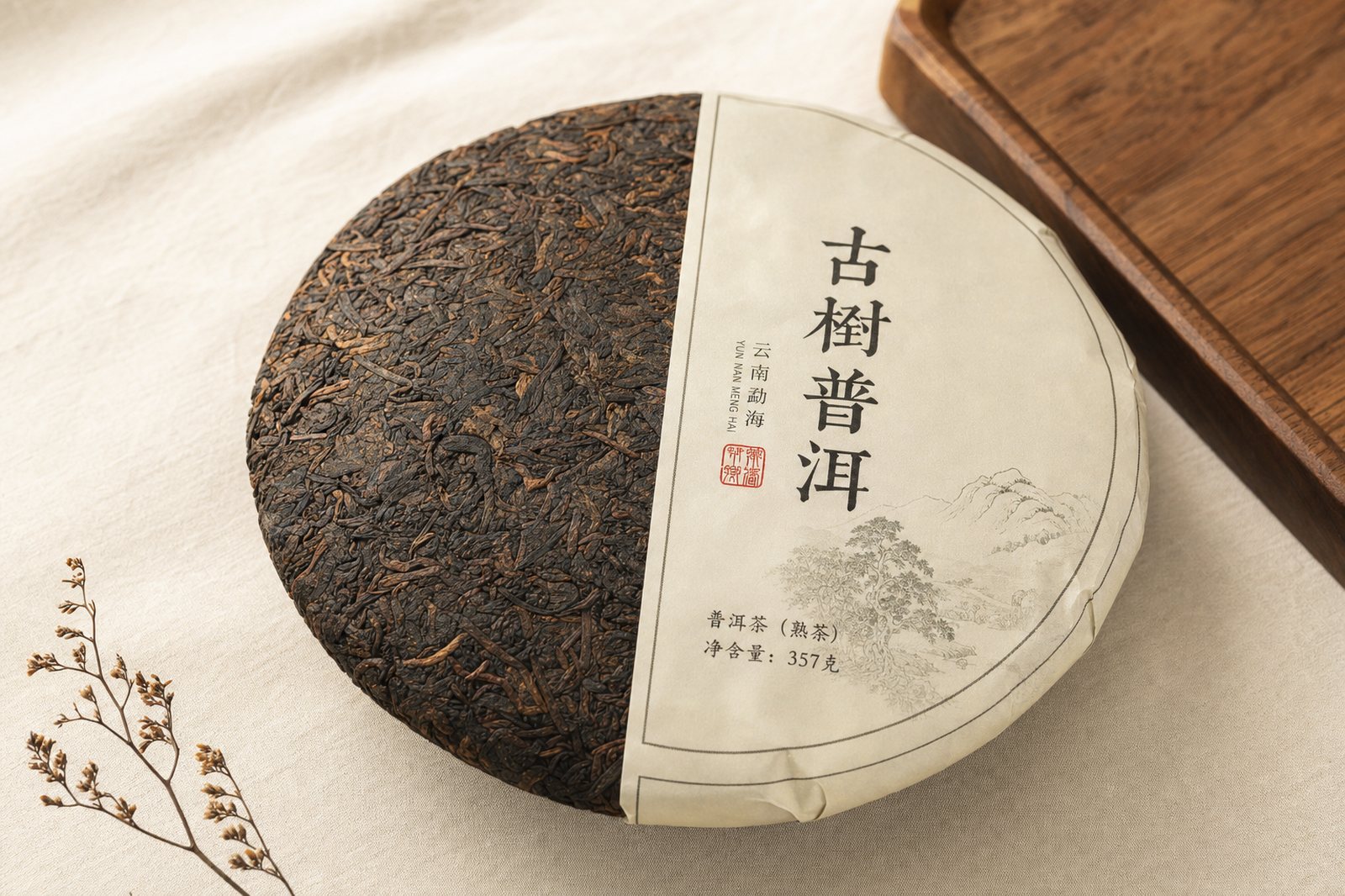
Most tea is the same leaf, just picked and dried. Pu-erh is fermented — piled, pressed, sometimes aged for decades — so it keeps developing after it’s picked, the way wine or cheese does. A cake made this year tastes almost nothing like the same cake in ten. That’s not a flaw. That’s the whole point.
Sheng (raw)
Unfermented at first — bright, sharp, a little bitter young. Mellows for decades into something else entirely. What collectors chase.
Shu (ripe)
Wet-piled to fast-forward the aging. Earthy, smooth, ready now. Where most people — and most of our orders — start.
Cha qi (the feeling)
The thing that makes pu-erh different from every other tea on the shelf. Not caffeine. Not nothing, either.
Your first gongfu session, in four steeps.
Warm the vessel
Rinse your gaiwan or pot with hot water first. Not superstition — it keeps every steep at temperature.
Rinse the leaf
One 5-second rinse, poured off. Wakes the leaf up, clears the dust from pressing.
Steep short, steep often
10–15 seconds a steep, not three minutes. A good cake gives you eight, ten, twelve rounds — each a little different.
Feel the shift
Somewhere around steep four, most people notice it — warmth in the chest, a settling in the head. Sit with it.